Photography
A soft, muddy archive of art, memory, unfinished thoughts, and intellectual obsessions.
If you found this, you belong here.
If you want the actual recipe my brain is running on — the slow-cooked one — enter the kitchen.
A meditation on how to think slowly, again.
enter the kitchen →I used to think minds worked like machines. Clean inputs. Clean outputs. Organized shelves.
But memory behaves more like weather.
Things disappear for years. Then one smell, one sentence, one image — and suddenly the entire world returns.
So this little corner of the internet became my swamp: a place for strange ideas, AI dreams, startup chaos, learning science, human stories, and all the thoughts that refuse to stay buried.
I'm also obsessively passionate about cooking — especially fusion cuisine. Maybe because the brain itself feels like a kind of fusion system.
Honestly, the best things rarely stay pure for very long.
So if you're building something strange, beautiful, ambitious, or intellectually dangerous — welcome to the swamp. Let's fusion something together.
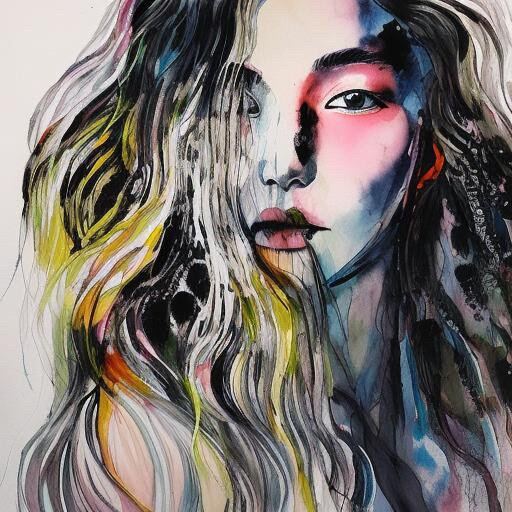
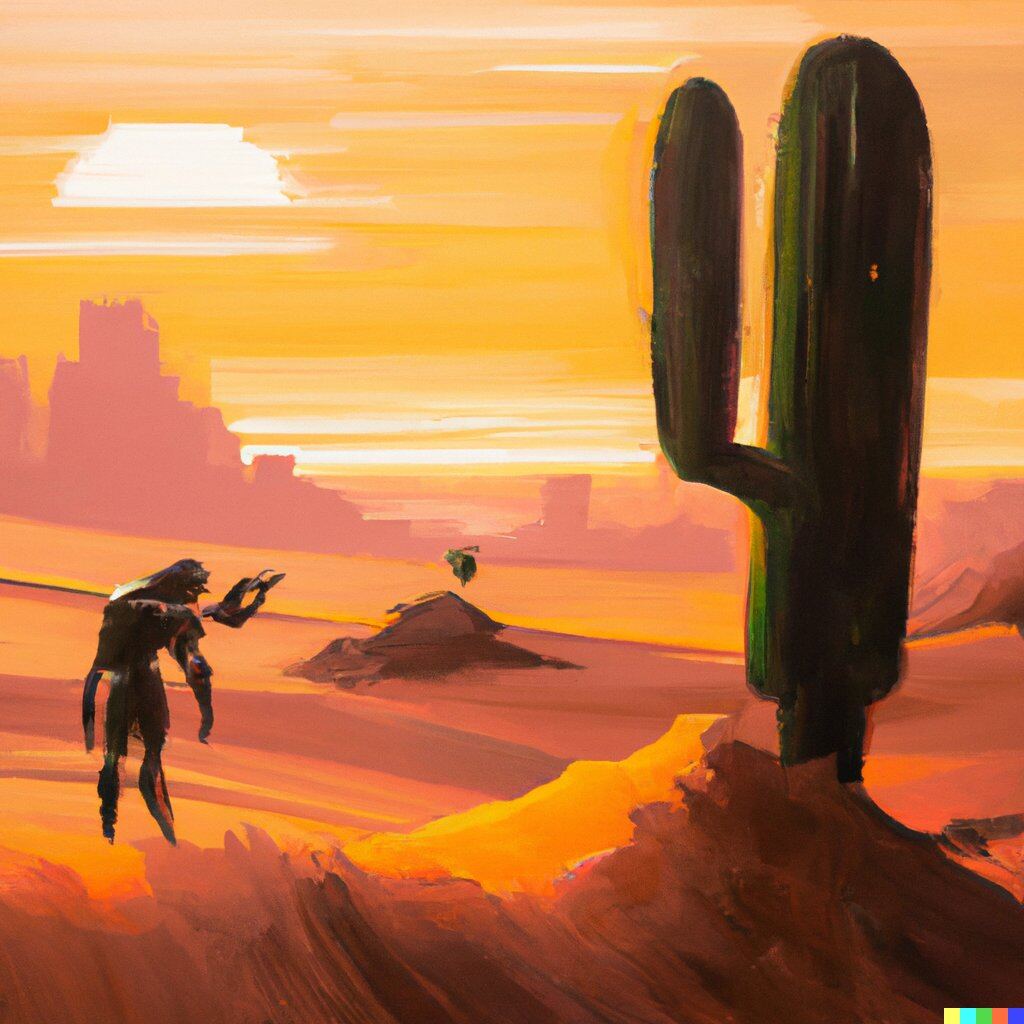
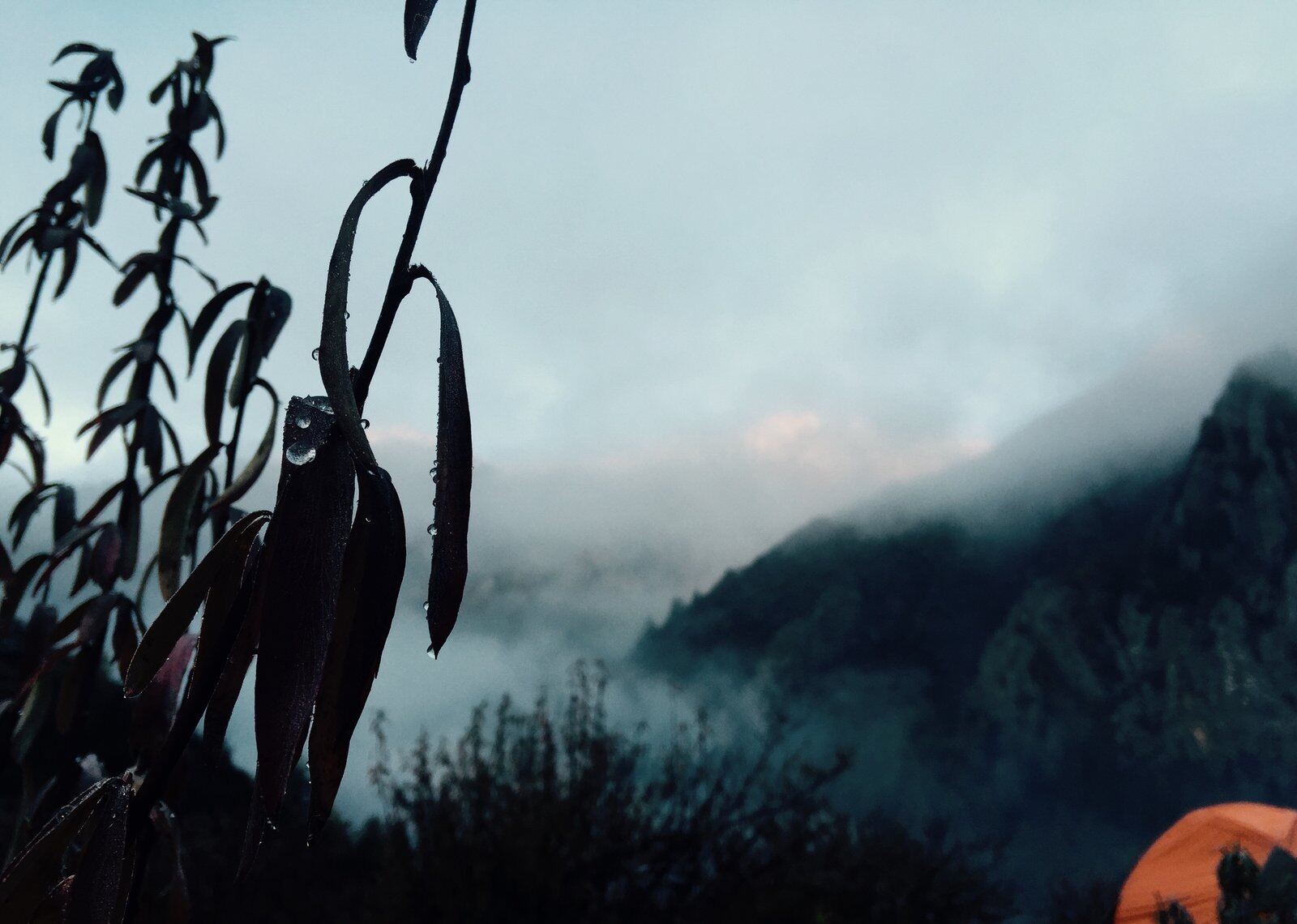
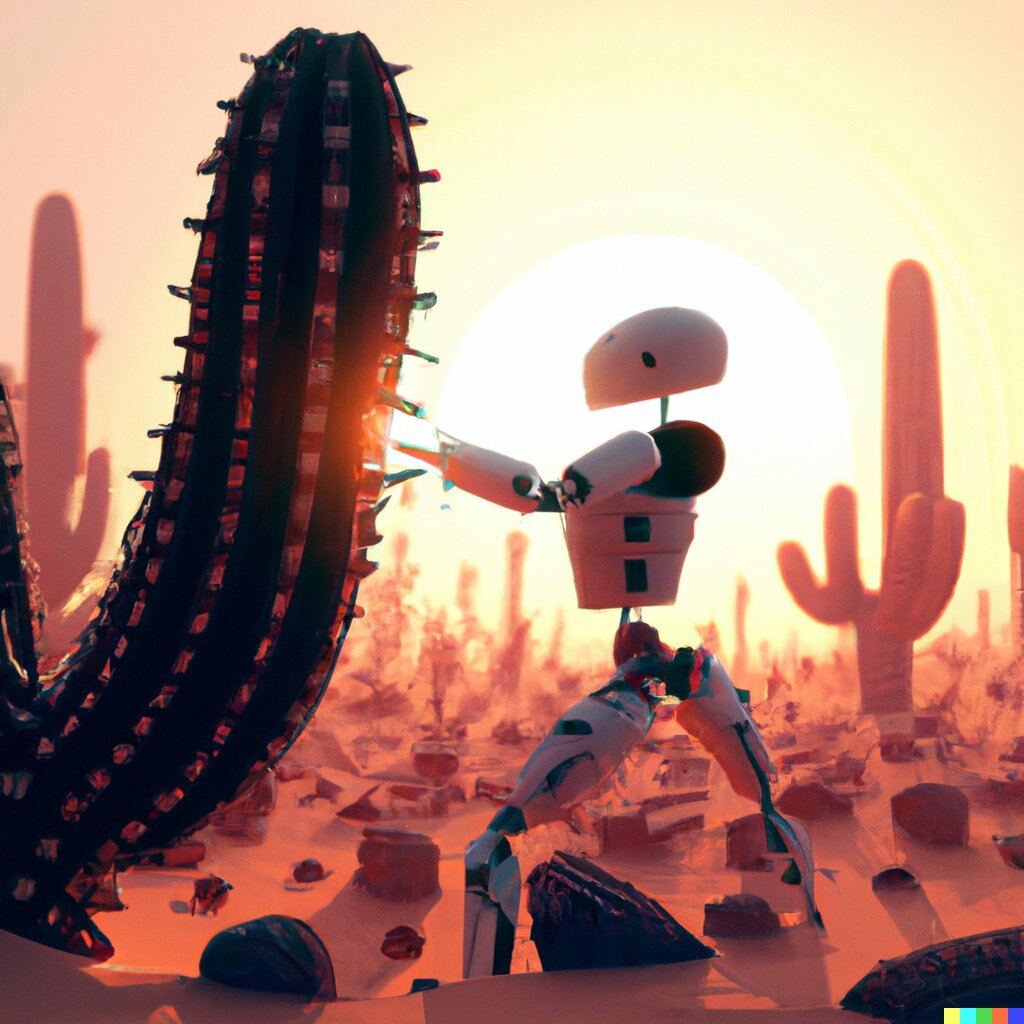
Things I've hung on the swamp wall. Some are serious work, some are 3 a.m. accidents. I'm equally fond of both.
My work sits where memory research meets learning science — how knowledge is retained, what makes someone want to learn at all, and whether the discomfort we treat as inevitable actually holds up. Six open questions currently driving it.
Can play be designed into learning so it deepens understanding — not just decorates it?
Hypothesis: entertainment aids learning only when it carries the content itself, not when it sits beside it. Tested against the "seductive details" effect.
Which dimensions of personalisation actually move learning outcomes, and which only raise satisfaction?
Four axes under study — method, content, delivery format, interaction mode. Early read: modality is over-weighted, pacing under-weighted.
What encoding and retrieval rules produce durable memory, and how few of them truly matter?
Spacing, retrieval practice, interleaving, desirable difficulty — the open part is their combined effect size, not each in isolation.
Can curiosity be reliably induced, or can we only remove what suppresses it?
Information-gap theory predicts curiosity peaks at moderate uncertainty. Testing whether sustained motivation tracks the same inverted-U.
Is the joy of learning a by-product of progress, or a lever that can be designed for directly?
Separating two signals usually measured as one: reward from competence gain vs. affective state during the task itself.
Is "learning is painful" a property of learning, or of how we currently deliver it?
Working position: the difficulty is real and necessary; the suffering is an artefact of design. Two variables, routinely conflated.
Longer thoughts I keep circling back to — on curiosity, learning, and what the agent era is quietly rewriting. Six dispatches from the swamp.
Nature never had a roadmap. Neither do you.
For centuries, education rested on one assumption — that knowledge is hard to reach. That assumption is collapsing in real time.
We used to click tools. Soon we'll negotiate with systems.
Most organisations are still built for a world where humans run every layer by hand. That world is ending.
When intelligence becomes abundant, raw knowledge stops being the advantage.
Every technological revolution sounds ridiculous — right up until it becomes infrastructure.
Things that make my eyes light up. Pinned to the wall so I look up and see them.
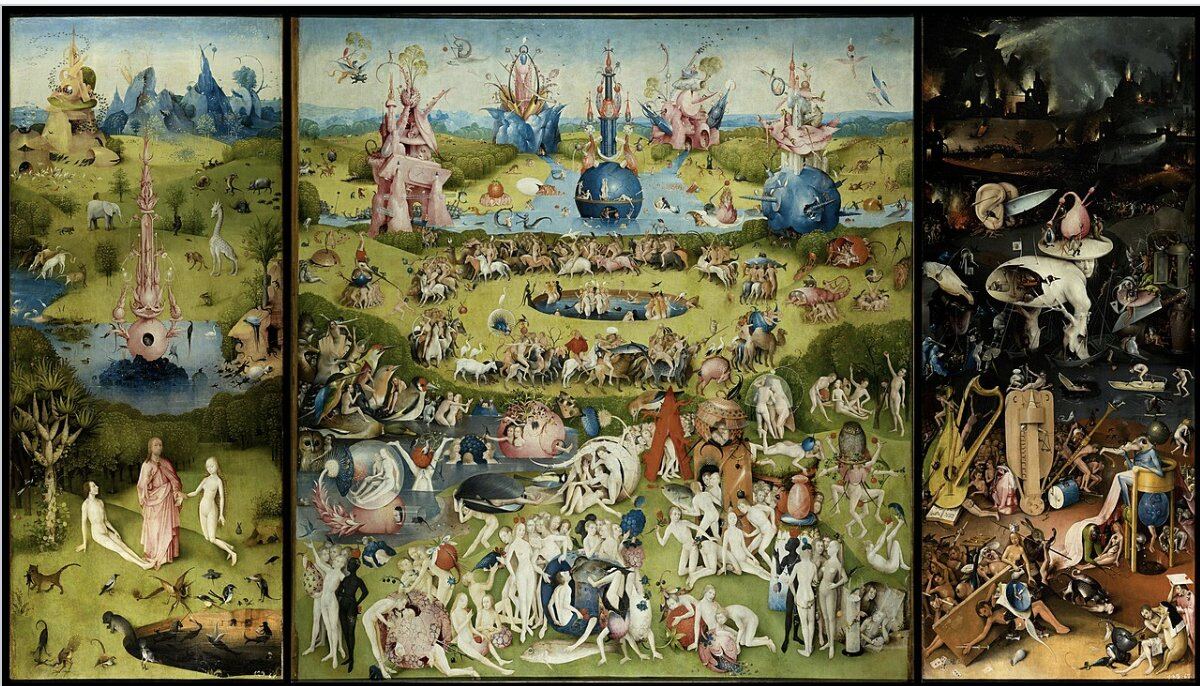
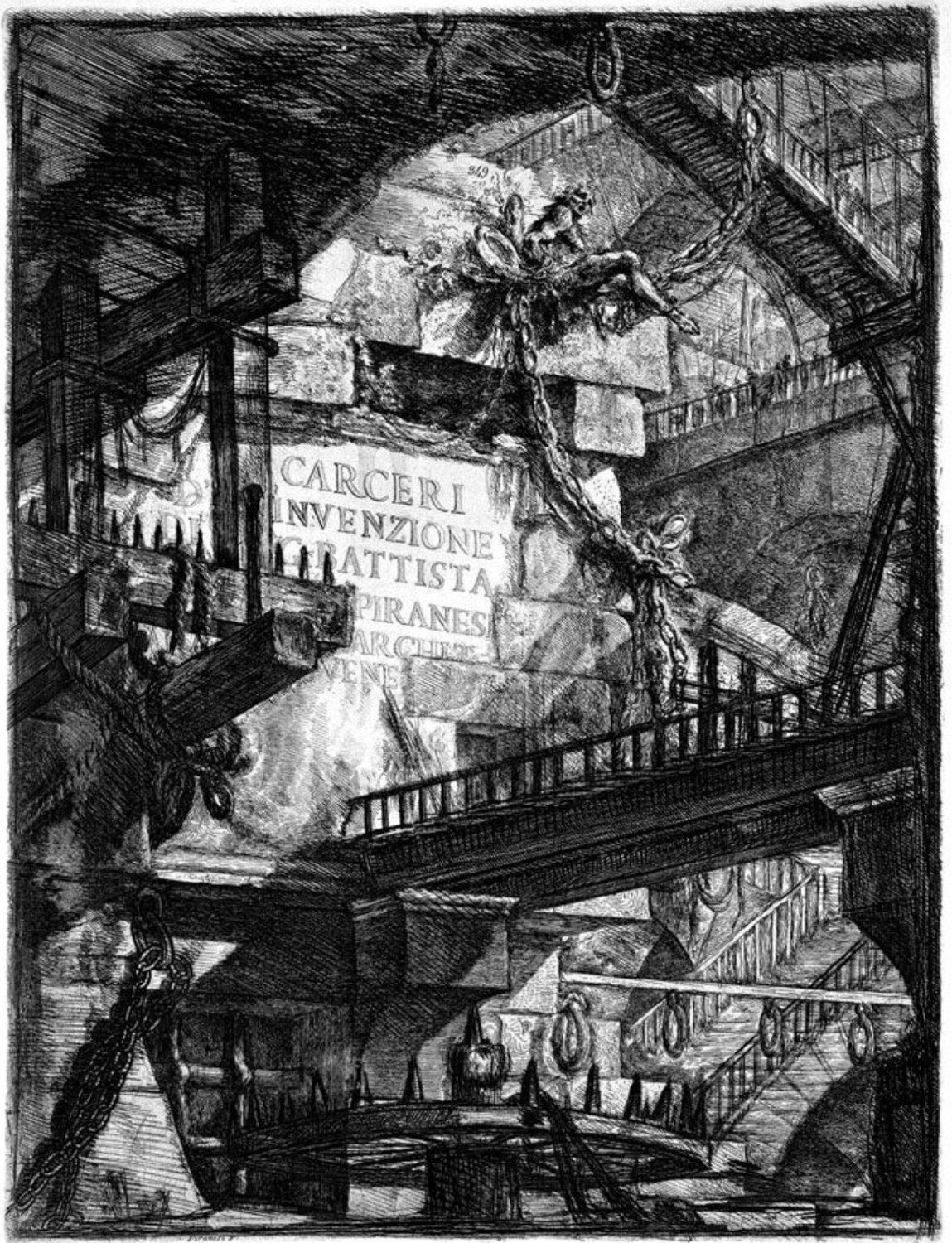
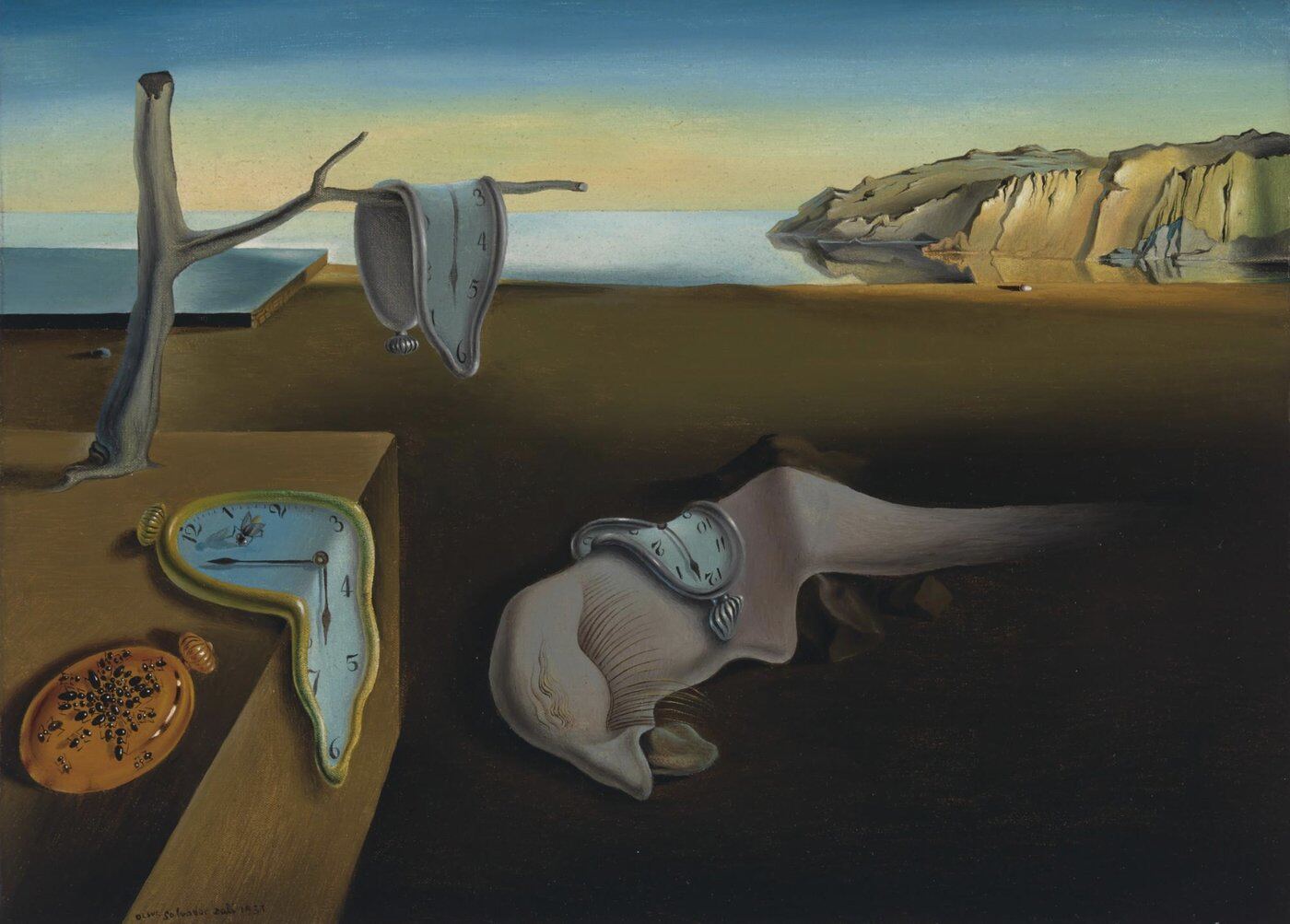
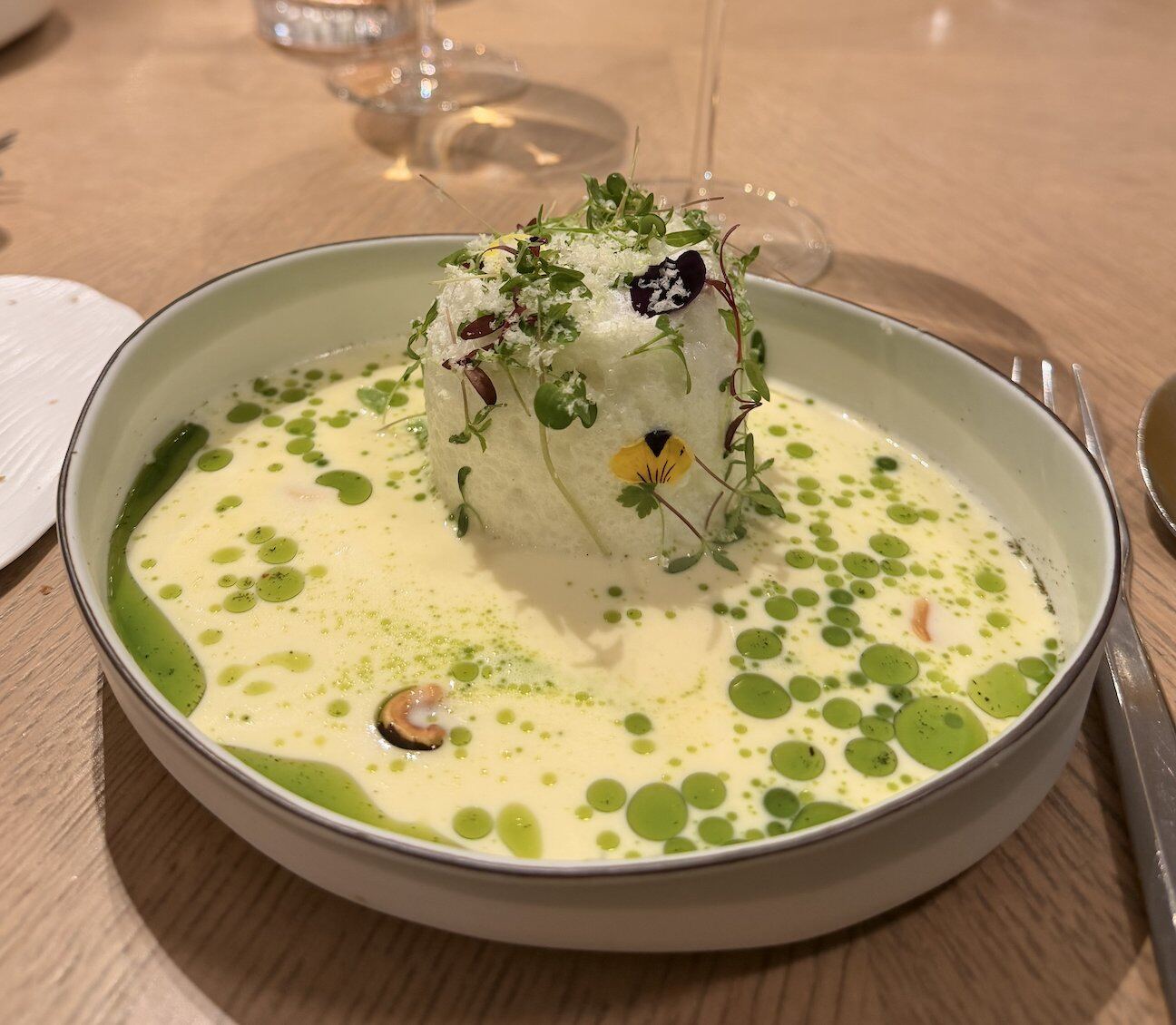
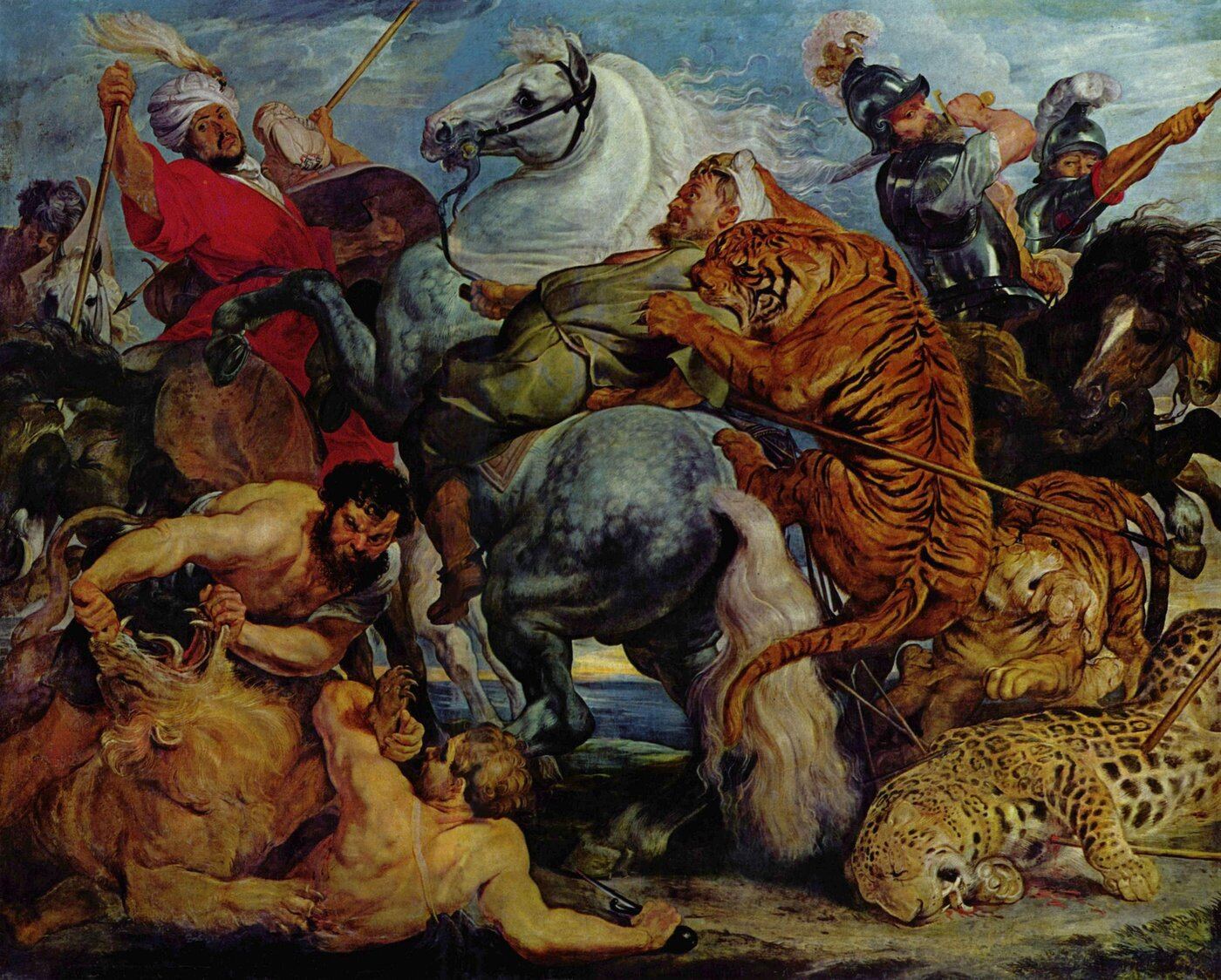
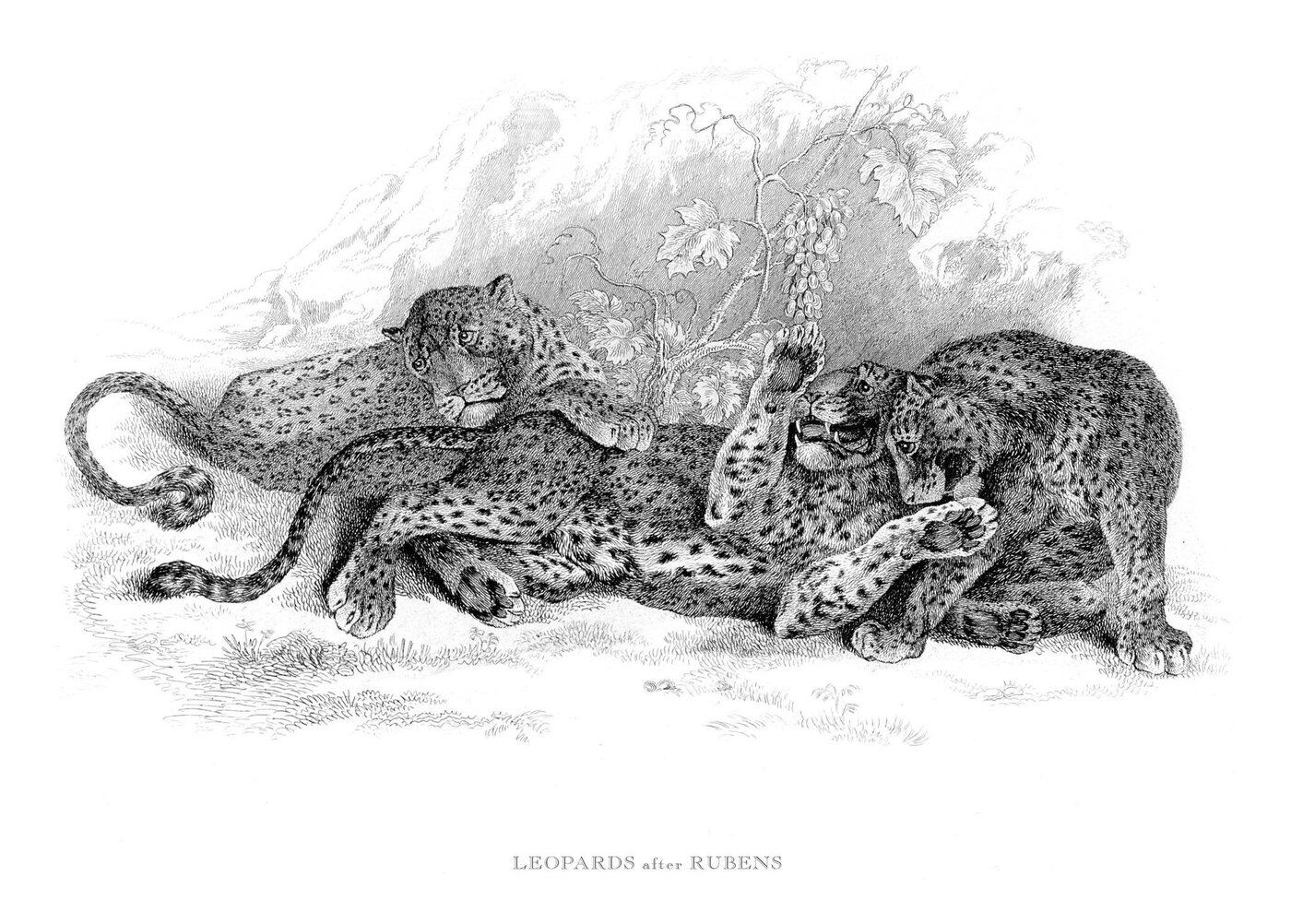
What's renting space in my head this month. Intensity fluctuates — this is the live feed.
Meanwhile, down on the factory floor —
A running collection of every blue I catch in the wild — a sky, a tile, a shadow, a room full of curtains. Each one filed, numbered, and named like a specimen. Still growing.
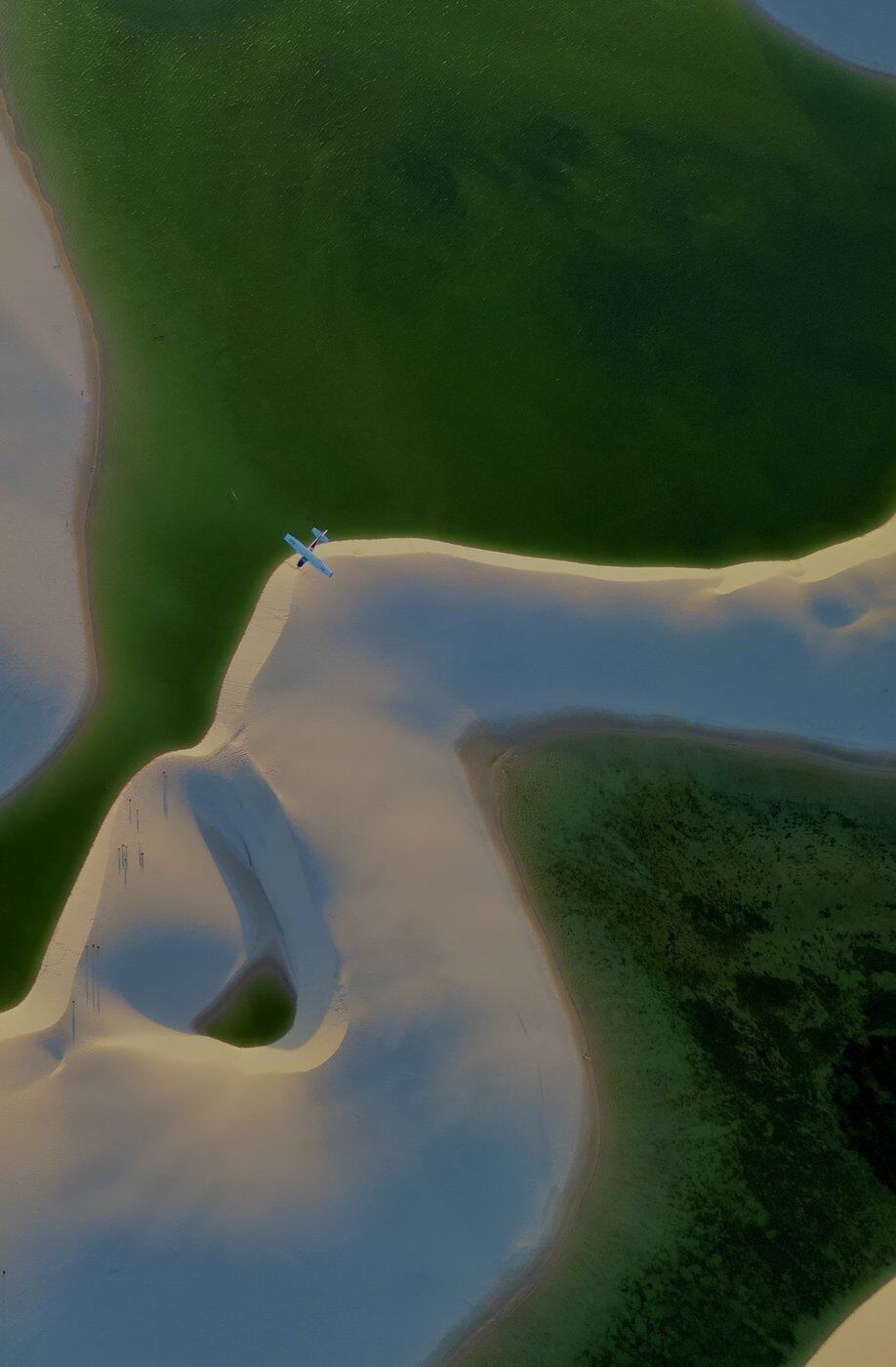 No. 01
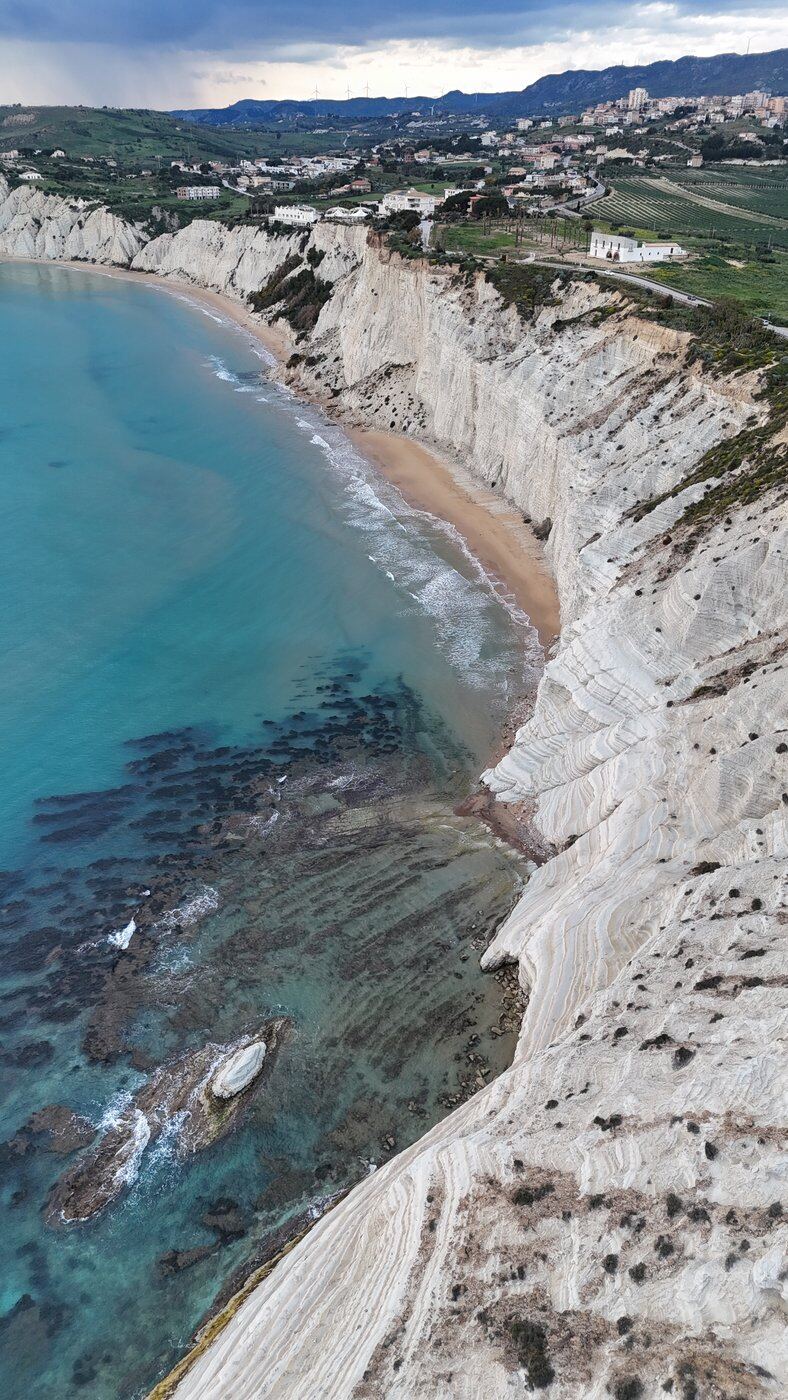 No. 04
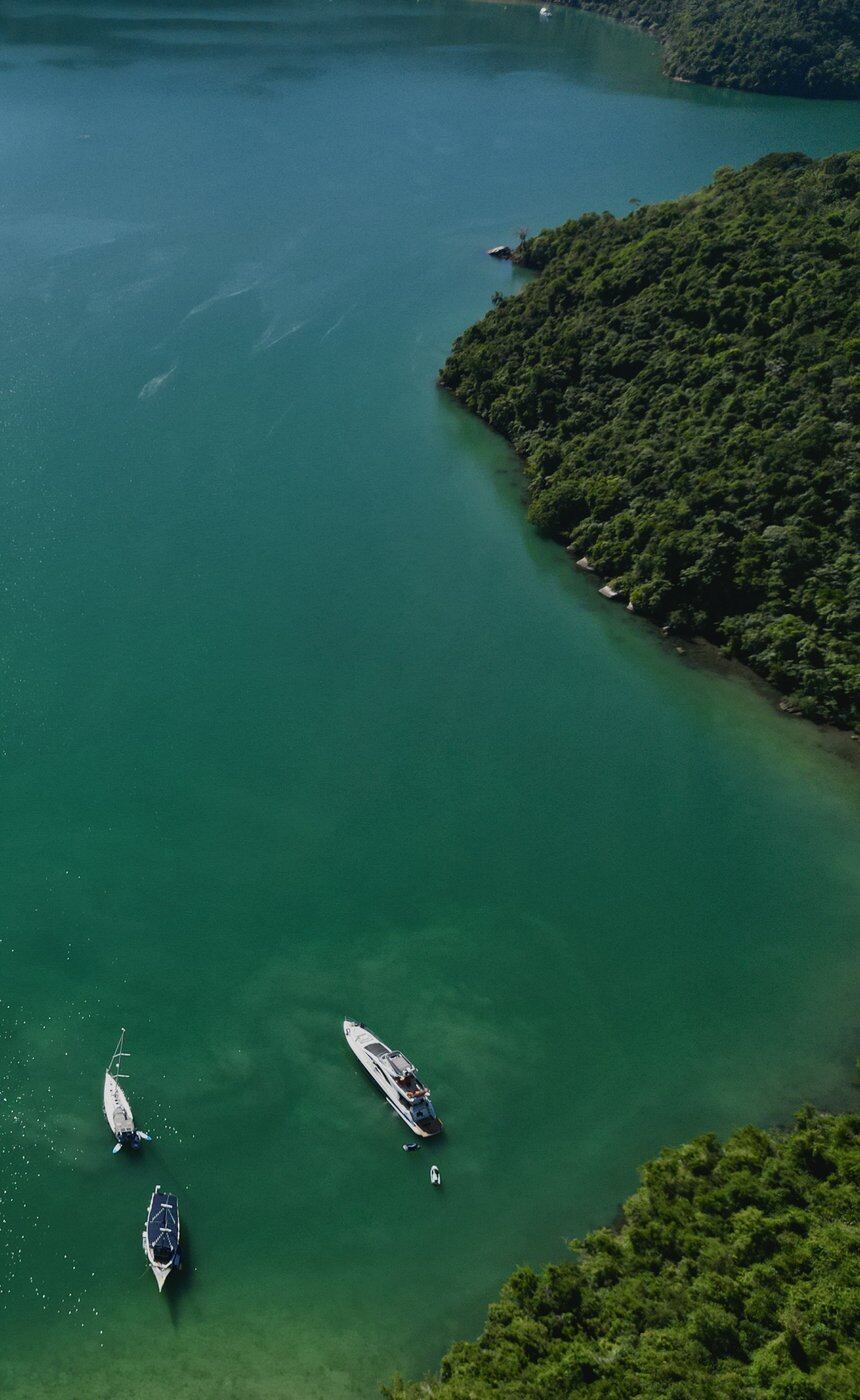 No. 06
 No. 08
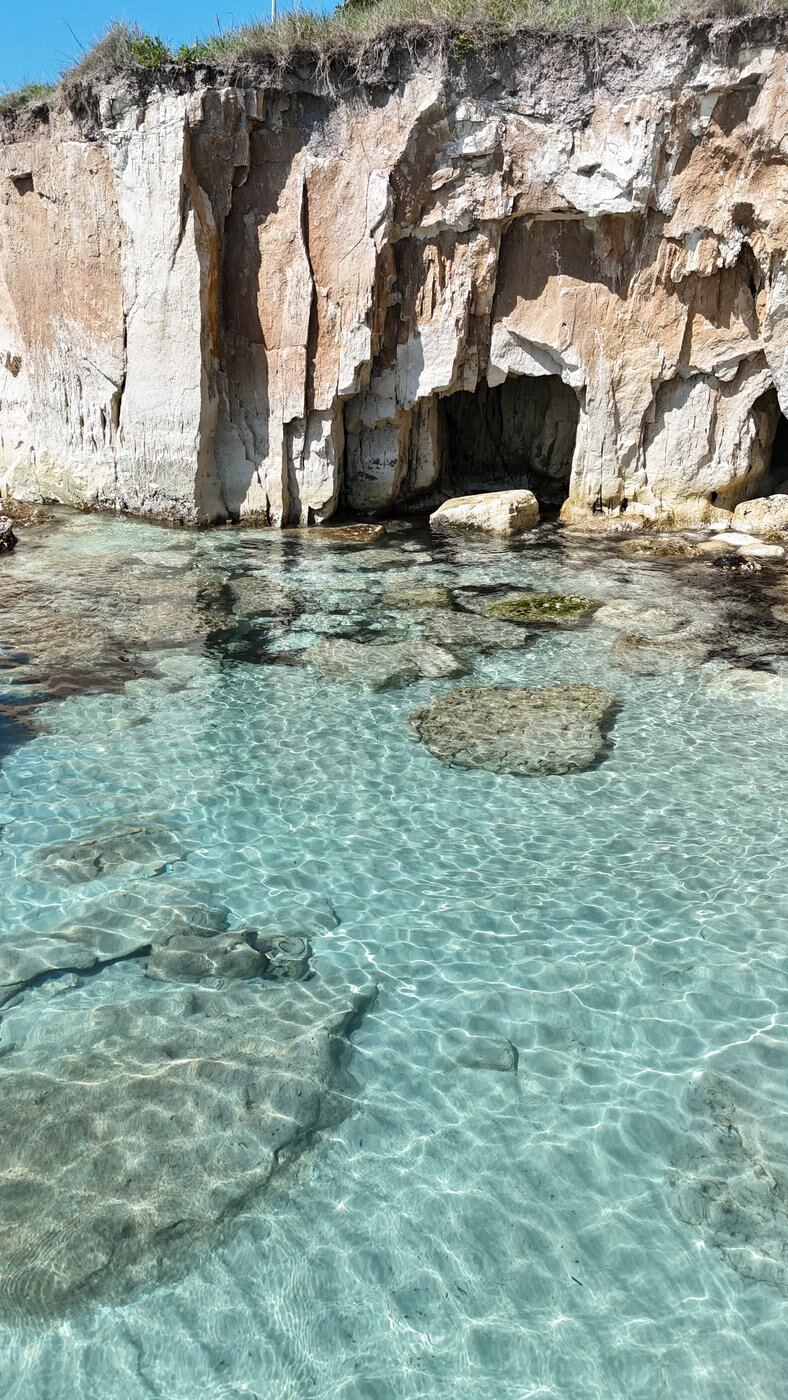 No. 10
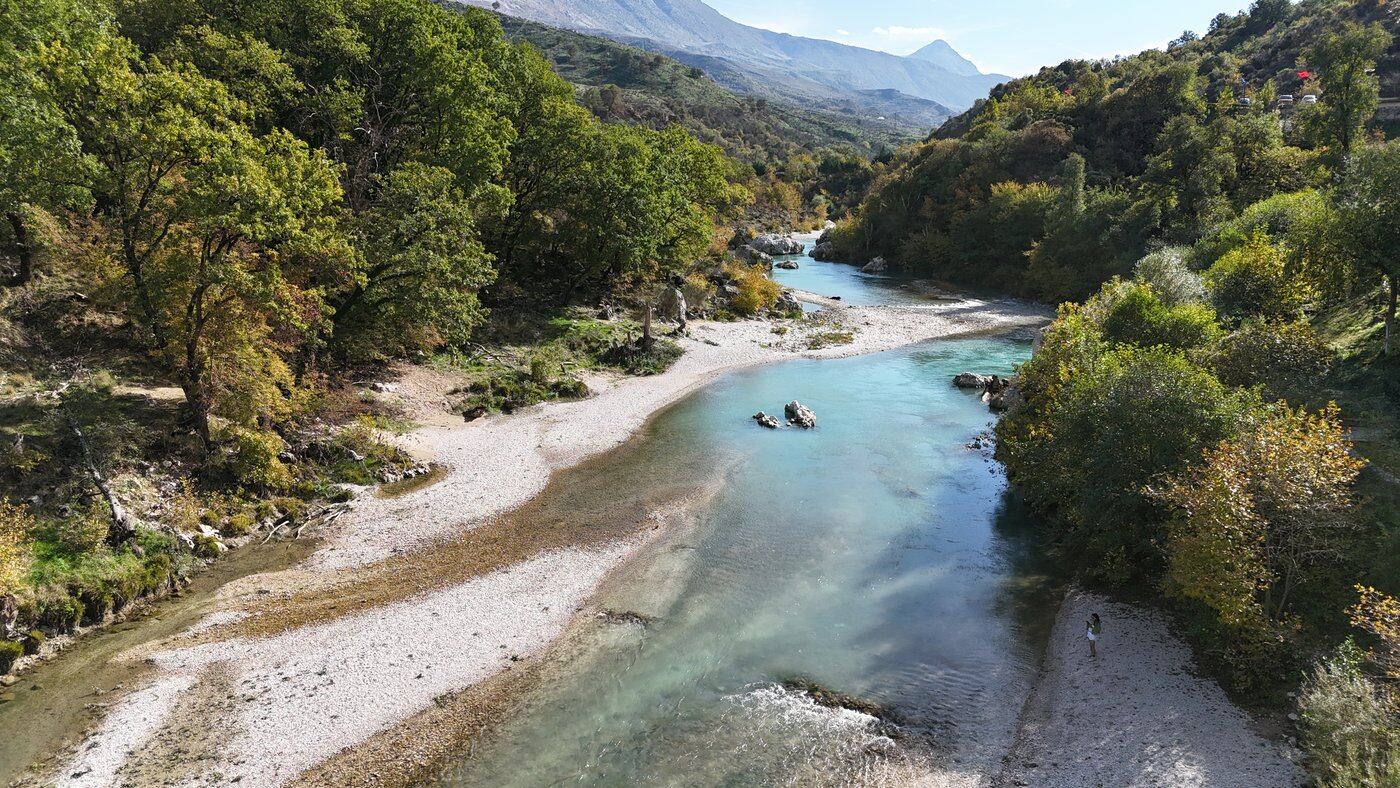 No. 14
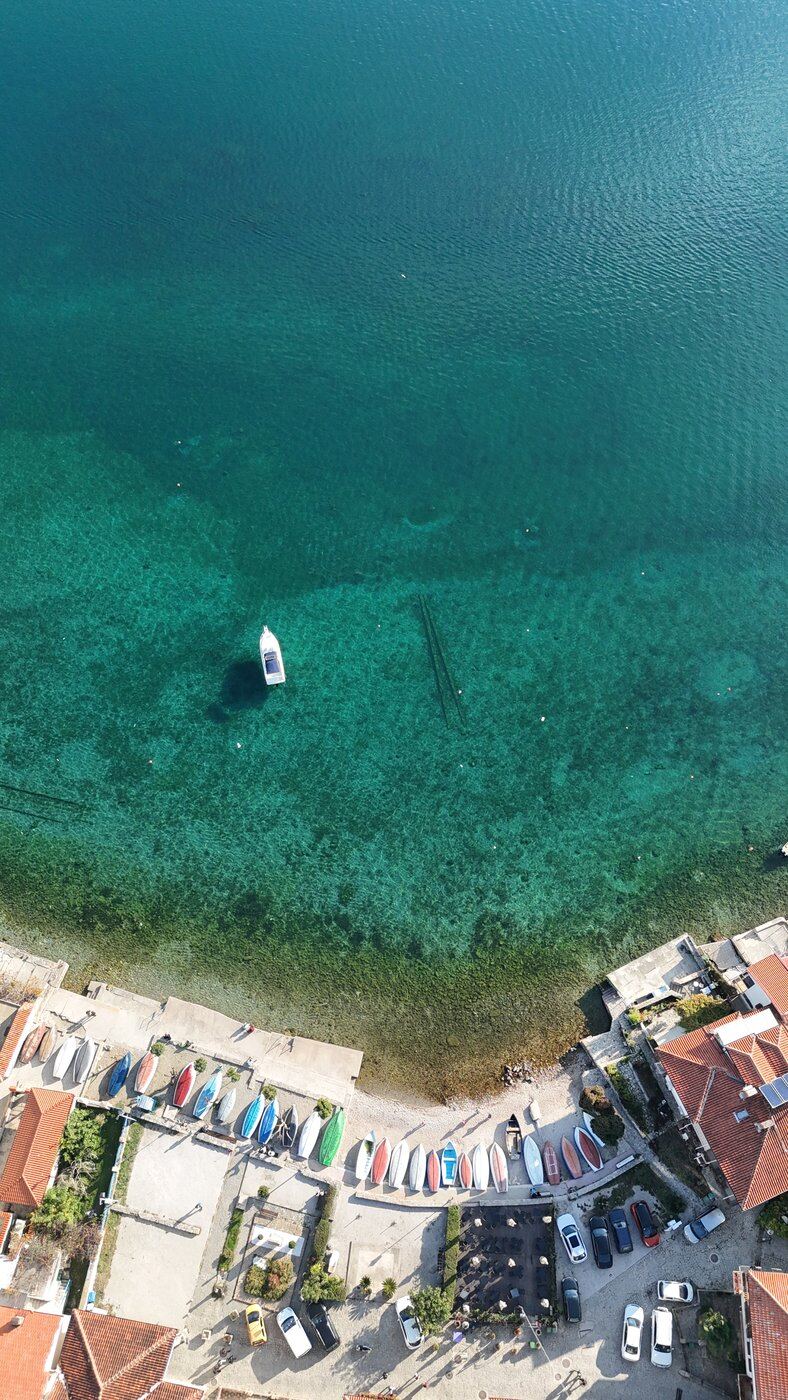 No. 15
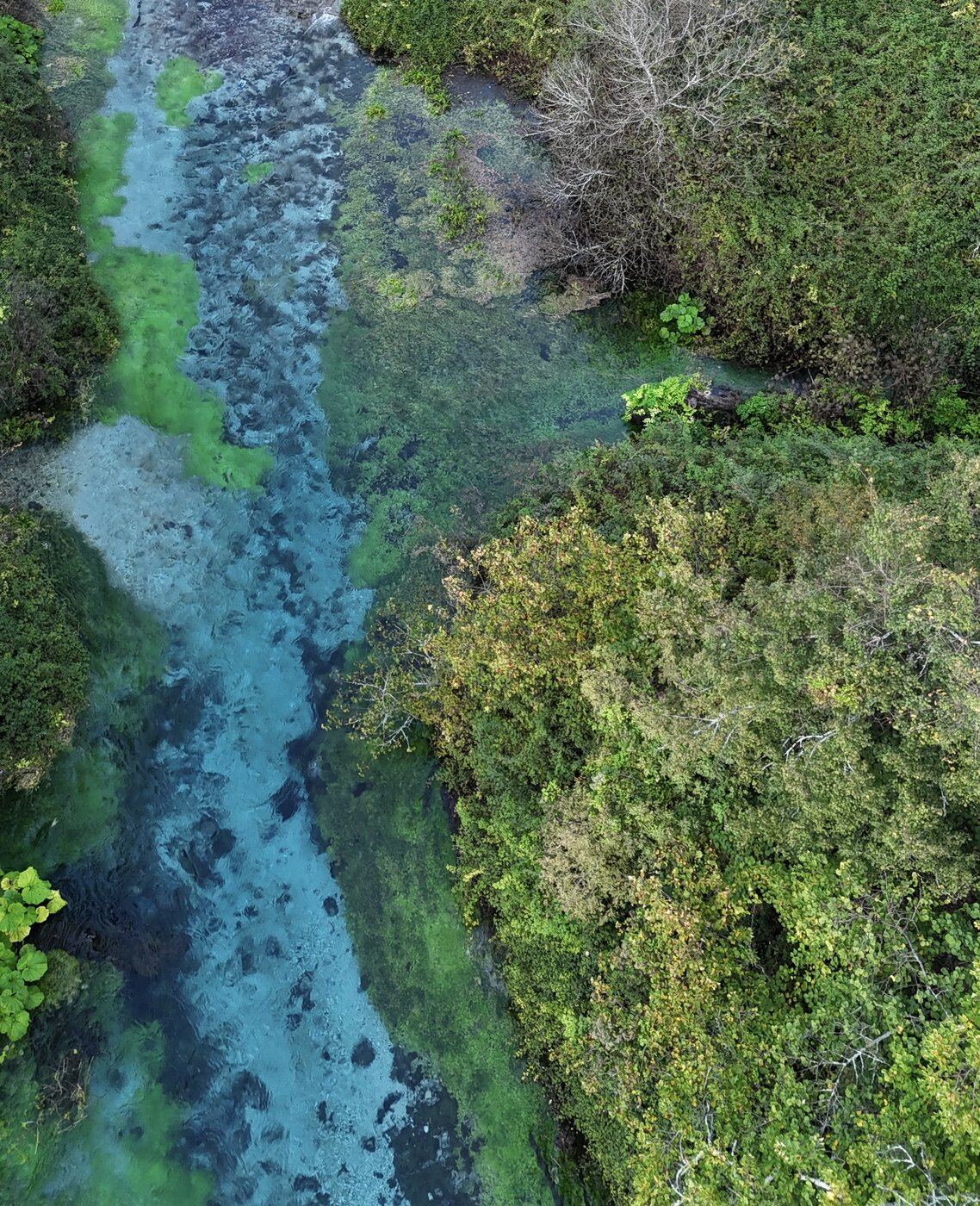 No. 16
Fragments the swamp won't quite let go of. They surface on their own — hover (or tap) to hold one still.
I came to Silicon Valley as an immigrant, so I know how uncertain it feels to build something — a new idea, a new life, a new version of yourself, often all at once. Because of that, my family's law firm offers free immigration consultations for founders, researchers, students, and builders. No sales pitch — just someone willing to explain the system and actually help.
It all points one way: I'm building toward an AI-native learning world — where knowledge becomes playable, personalized, and alive.
Leave your email and I'll write back. Collaborations, strange ideas, requests, introductions, or just hello — the swamp listens.